
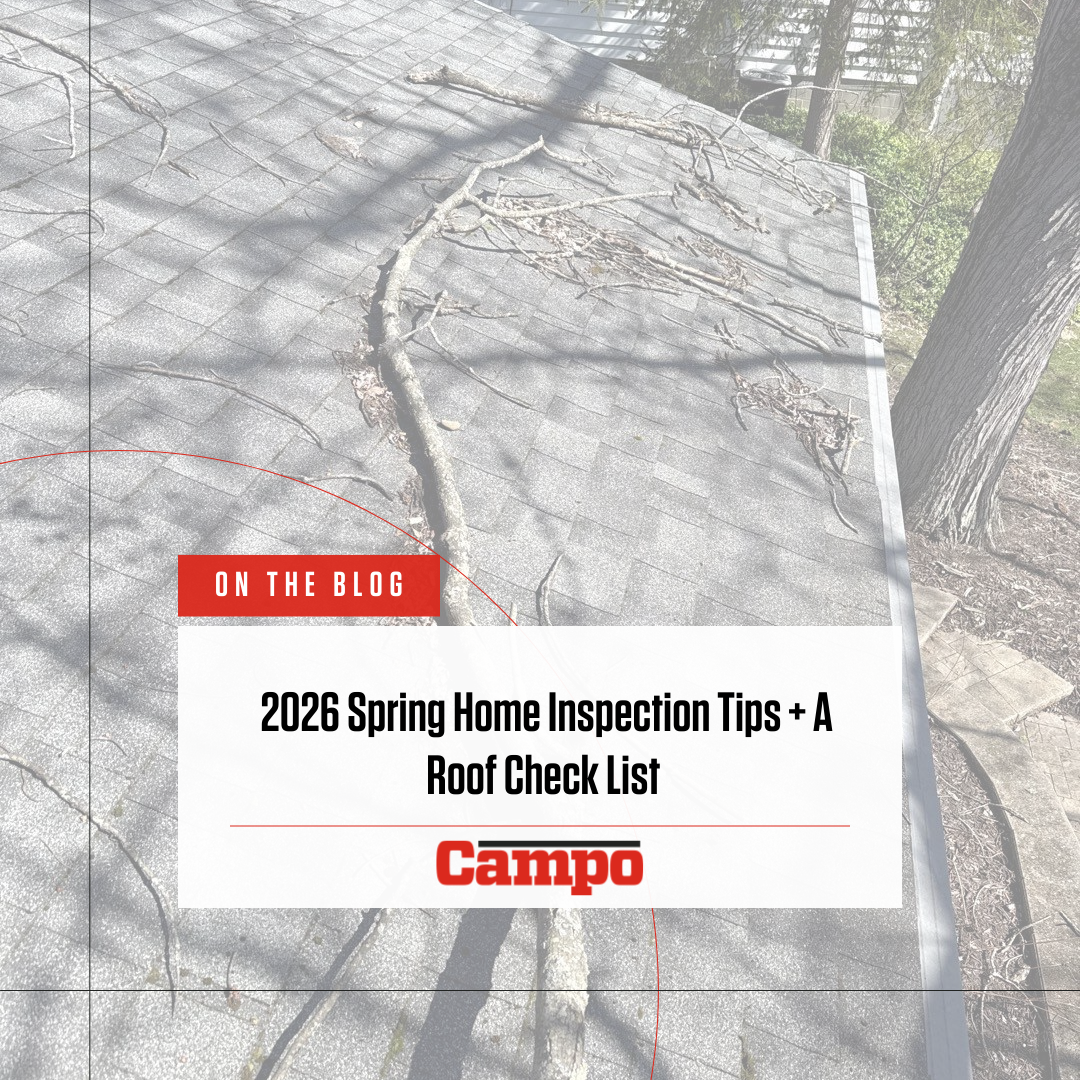
Spring is usually when Cleveland homeowners start noticing things around the house that winter left behind like gutters overflowing with debris and granules, shingles in the yard and maybe even the dreaded small ceiling stain.
This year especially, it’s worth taking a look at your roof, gutters and siding to check the damage.
The 2025–2026 winter brought several polar vortex cold snaps, heavy snow loads, ice damming and constant freeze-thaw cycles. That kind of weather can stress a roofing system and much of the damage can’t be seen from the ground. And sometimes the damage isn’t obvious until spring rain arrives.
A quick inspection now can help catch small issues before they turn into larger repairs and it starts with checking through a quick list of common problems areas.
Roofs take the most stress during winter. Snow sits on the surface, melts during warmer days, then freezes again overnight. When that happens repeatedly, water can slowly work its way under shingles or flashing.
Once temperatures warm up and spring storms roll through, those weak spots start showing up as leaks.
That’s why most roofing problems in Northeast Ohio tend to show up between March and early summer, even though the damage actually started months earlier.
Spring is simply when homeowners finally see it.
You don’t need to climb onto the roof to spot early warning signs. A quick walk around your house or spot checking from the ground can reveal quite a bit.
Here are a few things worth checking after winter:
Most roofs won’t show major problems, but even small issues are worth addressing early.
When we inspect roofs in the spring, the issues are usually pretty straightforward.
-Loose flashing around chimneys.
-Shingles that lifted during winter wind.
-Rubber vent boots that cracked in the cold.
Sometimes the biggest issue is simply clogged gutters. When water can’t drain properly, it backs up under the edge of the roof.
None of these are unusual after a Northeast Ohio winter, but catching them early keeps repairs manageable.
If you notice visible damage, leaks, or signs of wear, it’s usually best to have a professional inspection done like our 25-point comprehensive Inspection.
Roof inspections can reveal problems that aren’t visible from the ground — things like loose flashing, failing sealant, or early signs of shingle deterioration.
This is especially important if your roof is 15–20 years old, which is when many asphalt shingle roofs start approaching the end of their service life.
We can help determine whether a roof needs simple repairs or whether it’s time to start planning for replacement.
After a winter like the one Northeast Ohio just experienced, it’s worth taking a few minutes to check the condition of your roof.
Even if everything looks fine, a quick inspection can give you peace of mind heading into spring storm season.
Your roof protects everything underneath it. Making sure it came through the winter in good shape is one of the simplest ways to protect your home for the year ahead.